The first hours after birth involve more than weighing the baby: staff assess breathing, circulation, temperature, feeding readiness and the transition to life outside the womb. By discharge and the first follow-up visit, you should know which examinations, preventive treatments, screening tests and warning signs were addressed, and what questions to ask the care team.
Key takeaways
- Keep your newborn warm and request immediate skin-to-skin contact when stable.
- Ask when the first feed should begin and how staff assess feeding.
- Confirm vitamin K, birth-dose vaccines and screening before discharge.
- Arrange the first baby checkup and know which warning signs need urgent care.
The first minutes: breathing, warmth and skin-to-skin contact
A healthy newborn is assessed beside the mother while staff check the airway, breathing, circulation, heart rate, colour, muscle tone and responsiveness. Staff dry the baby thoroughly, replace wet towels and prevent heat loss with a warm room, cap or radiant warmer when needed.
If breathing is effective and both are stable, the baby is placed skin-to-skin and observed.
Delayed cord clamping for at least one minute is used when the baby does not need urgent resuscitation. Immediate clamping may be necessary for maternal bleeding, placental problems or emergency newborn treatment.
Routine mouth and nose suctioning is avoided when breathing is normal and amniotic fluid is clear because it can cause bradycardia, airway injury and delayed skin-to-skin contact.
The Apgar score records colour, heart rate, reflex response, muscle tone and breathing at one and five minutes. A five-minute score below 7 leads to repeat scoring and continued assessment; Apgar alone neither diagnoses birth asphyxia nor predicts later neurological outcome.
Staff escalate care if the baby:
- Is apnoeic, gasping or breathing with persistent difficulty
- Has a heart rate below 100 beats per minute, poor tone or worsening colour
- Needs airway support, oxygen or positive-pressure ventilation
- Requires radiant-warmer stabilisation, monitoring or neonatal admission
Newborn care after delivery in Navi Mumbai should keep a vigorous baby with the mother; separation is for resuscitation, stabilisation or another documented clinical reason.
The newborn examination and the first feed
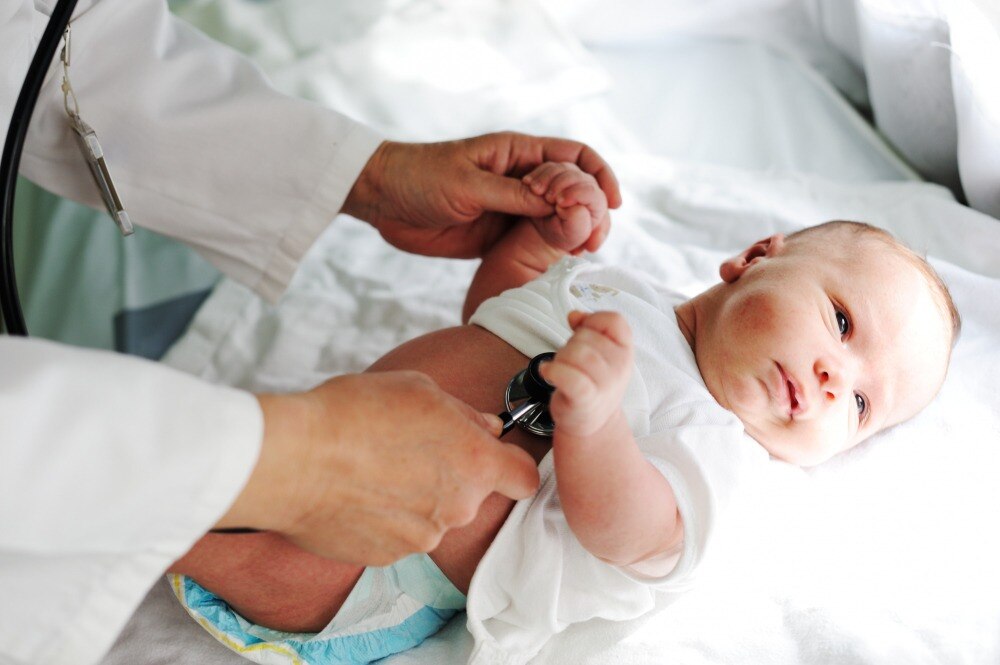
After the initial transition, the newborn examination assesses the whole baby, not just weight. Clinicians record temperature, heart rate, respiratory rate, work of breathing, perfusion, tone, reflexes, feeding ability, weight, length and head circumference. They also watch colour, alertness and activity; normal measurements do not outweigh a baby who looks pale, floppy or unusually sleepy.
The physical check includes:
- Head shape, scalp injury and fontanelles
- Eyes, mouth, tongue and intact palate
- Spine, abdomen, cord, genitalia and anus
- Hips, limb movement and symmetry
- Bruising, fractures, nerve injury and visible congenital abnormalities
A stable mother and baby can begin the first feed within the first hour. Colostrum is produced in small amounts, and that small volume suits a newborn’s stomach. Keep the baby rooming-in, offer the breast on demand, and ask staff to watch for a deep latch, rhythmic sucking and audible swallowing.
Practical help includes observing a complete feed and teaching hand expression.
Routine formula or glucose water is not needed for a healthy term baby. Use supplementation when a clinician identifies a reason such as hypoglycaemia, poor intake or illness, or when parents make an informed choice.
Separation also needs a clinical reason, such as resuscitation, monitoring or treatment; otherwise, keeping mother and baby together helps staff identify feeding problems early.
What staff check before discharge
A baby is ready to leave when clinicians find stable transition and a reliable plan for feeding, follow-up and urgent review. During the baby checkup after birth, staff review feeding, latch, swallowing, urine and stool output, temperature, weight trend, jaundice and the umbilical cord.
Some early weight loss is expected; excessive loss, poor urine output, lethargy, persistent vomiting or ineffective feeding requires assessment for dehydration, inadequate intake, infection or another illness.
1. Staff observe a feed and confirm effective sucking, swallowing and practical care at home. They check whether temperature stays stable without extra support and whether the cord is clean and dry, with no spreading redness, pus or bleeding.
2. They assess jaundice by examining the skin and eyes, but skin colour alone cannot show the bilirubin level. When indicated, they measure bilirubin and interpret it against the baby’s age in hours and gestational age; sunlight is not treatment, and significant levels need monitored phototherapy and follow-up.
3. Before discharge, newborn care services should prepare safe sleep: place the baby on the back on a firm, flat surface, keep pillows, quilts and toys out of the sleep space, and prevent smoke exposure.
The family should leave with feeding instructions, cord-care advice, danger signs and an urgent-return plan for poor feeding, unusual sleepiness, breathing difficulty, fever or low temperature, too few wet nappies or worsening jaundice.
Screening, vitamin K and birth-dose immunisations
Before discharge, ask whether vitamin K was given, which preparation and dose were used, and whether it was intramuscular. The injection creates a dependable vitamin-K reserve; oral dosing is less reliable because absorption and completion vary. This prevents vitamin-K-deficiency bleeding, including sudden intracranial bleeding, which can occur without warning.
Record the preparation and dose in the discharge papers.
| Screening | What it checks | Ask before leaving |
|---|---|---|
| Hearing screening | Possible hearing loss | Was it completed, and what is the repeat-test pathway? |
| Pulse oximetry | Signs suggesting critical congenital heart disease | Was the result normal, and who reviews an abnormal result? |
| Blood spot | Selected metabolic or endocrine disorders | Is this offered here, and when will follow-up occur? |
These are screening tests, not diagnoses. Availability differs between facilities and programmes, so ask which tests were actually performed and obtain a named contact, appointment or referral for any abnormal result.
Birth doses commonly considered in India include:
- BCG
- Oral polio vaccine birth dose
- Hepatitis B birth dose
Do not treat this as a universal schedule: clinical circumstances and current Indian guidance determine what your baby needs. Ask which doses were given, then record each date, product and batch number in the immunisation record or MCP card. Confirm remaining doses with the paediatrician.
Ask the facility to document these details alongside its newborn care services.
Going home, the first outpatient visit and choosing local support
After discharge, follow the written feeding plan and safe-sleep instructions, and keep the cord clean and dry. Arrange a baby checkup after birth promptly, with earlier review if your baby was premature, low-birth-weight, unwell, feeding poorly or discharged early.
The first outpatient review should reassess feeding and swallowing, weight, urine and stool, jaundice, temperature, cord healing and any pending hearing, pulse-oximetry or blood-spot screening result. Seek urgent care for breathing difficulty, blue or grey colour, unusual sleepiness, inability to feed, repeated vomiting, fever or low temperature, too few wet nappies, or worsening jaundice.
Routine well-baby observation is not neonatal intensive care. A healthy term baby usually needs monitoring and feeding support, while a premature or unstable baby may need warming, respiratory support or intensive monitoring.
When comparing a newborn care hospital in Navi Mumbai, ask these specific questions:
- Hospital feature | Question to ask | Why it matters Neonatal resuscitation | Is trained staff and equipment available at delivery? | Immediate breathing support may be time-critical. Warmth and breathing support | Are radiant warmers, incubators, oxygen, CPAP or ventilation available? | Capability differs between routine care and NICU.
Staff and infection control | Who provides neonatal cover, and how are hand hygiene and isolation managed? | Reduces avoidable infection and delays. Referral and transport | What is the named referral hospital and transport plan? | A clear pathway matters when higher care is needed.
Ask Parulekar Hospital how it arranges follow-up, records screening and vaccines, and explains care in Hindi or Marathi when needed.
Related services
Neonatal Care NICU (Neonatal Intensive Care Unit) Parulekar Hospital’s NICU provides specialized, round-the-clock care for premature and critically ill newborns. View service → |
Neonatal Care At Parulekar Hospital, we provide comprehensive and compassionate care for your newborn, ensuring a healthy start to life. View service → |
Frequently asked questions
What happens to a newborn in the first minutes after delivery?
Staff assess the airway, breathing, circulation, heart rate, colour, muscle tone and responsiveness. They dry the baby, replace wet towels and prevent heat loss with skin-to-skin contact, a cap or a radiant warmer when needed.
What is included in the newborn examination?
Staff check breathing, heart rate, colour, muscle tone and responsiveness, then assess feeding and the baby’s general condition before discharge.
What should staff check before newborn discharge?
Ask staff to confirm that the baby is feeding, maintaining body temperature, passing urine and stool, and has completed the planned examination, screening and preventive care.
Which newborn screening and preventive treatments are given after birth?
Ask about newborn screening, vitamin K, and birth-dose immunisations. Confirm which tests and vaccines were given, recorded and scheduled before leaving.
When should the first outpatient baby checkup take place?
Before discharge, confirm the timing of the first outpatient visit and where to seek help for feeding problems, fever, breathing difficulty, unusual sleepiness or worsening jaundice.
Keywords