Severe period pain is sometimes normalized for years before endometriosis is considered. While mild menstrual discomfort is common, pain that repeatedly disrupts work, education, sleep, relationships or daily activities deserves closer attention.
Women exploring endometriosis management in Airoli, Navi Mumbai, Maharashtra, should understand that treatment is based on symptoms, reproductive plans and the extent of disease rather than pain alone.
What Is Endometriosis?
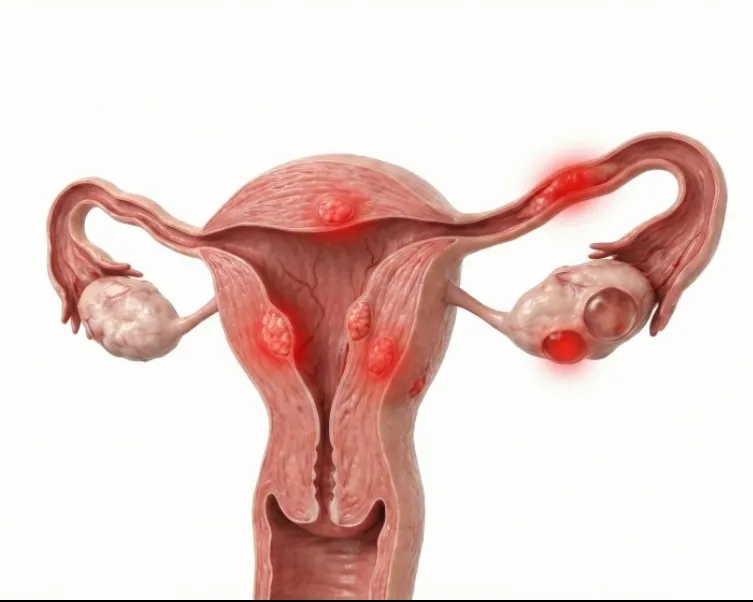
Endometriosis is a condition in which tissue similar to the lining of the uterus grows outside the uterus.
It may affect areas such as the ovaries and pelvic structures and can contribute to inflammation, scarring and adhesions.
Symptoms vary considerably between patients.
Symptoms That Can Raise Suspicion
Possible signs include:
- Severe menstrual pain
- Chronic pelvic pain
- Pain during or after intercourse
- Pain associated with bowel movements during periods
- Painful urination during menstruation
- Fertility difficulties
- Persistent lower abdominal discomfort
Some women have significant endometriosis with relatively modest symptoms, while others experience substantial pain.
This means symptom severity does not always indicate the extent of disease.
How Is Endometriosis Evaluated?
The consultation usually begins with a detailed symptom and menstrual history.
Pelvic examination and ultrasound can provide useful information, particularly when ovarian endometriomas or other abnormalities are present.
However, endometriosis cannot always be ruled out simply because an ultrasound appears normal.
Further assessment depends on symptoms and clinical findings.
Medical Management or Surgery?
This is one of the most important decisions in endometriosis care.
Medical treatment may be considered for symptom control in suitable patients. Hormonal approaches can be used in certain circumstances, depending on health status and pregnancy plans.
Surgery may be considered when symptoms remain significant, particular anatomical problems are identified or other clinical factors make an operative approach appropriate.
Not every woman with endometriosis requires immediate surgery.
Fertility Changes the Treatment Conversation
Women trying to conceive require individualized planning.
Some treatments intended to control symptoms are not designed for use while actively attempting pregnancy. At the same time, surgery is not automatically the first fertility treatment for every patient with endometriosis.
Age, ovarian reserve, fallopian tube status, semen parameters, disease characteristics and duration of infertility can influence recommendations.
When Should You Seek a More Detailed Evaluation?
Consider specialist assessment when:
- Period pain is progressively worsening
- Pain regularly interferes with daily activities
- Symptoms occur outside menstruation
- Intercourse is persistently painful
- Fertility has become a concern
- Previous treatments provide inadequate relief
- An ovarian endometriotic cyst has been identified
Parulekar Hospital in Airoli, Navi Mumbai provides gynecological, fertility and laparoscopic evaluation for women with symptoms that may be associated with endometriosis.
Effective endometriosis management is rarely about one standard treatment. The appropriate approach balances symptom control, reproductive goals, imaging findings and the potential benefits and limitations of medical or surgical care.
Keywords