
Most pregnancies progress without major complications, but some require closer medical supervision to protect the health of both the mother and the baby. In such situations, choosing a High-Risk Pregnancy Hospital with NICU becomes an important part of ensuring timely care before, during, and after delivery.
A high-risk pregnancy does not necessarily mean that complications will occur. It simply indicates that the pregnancy has one or more factors requiring additional monitoring or specialized medical management. With regular antenatal care, experienced obstetricians, and access to advanced neonatal services, many women with high-risk pregnancies go on to have healthy deliveries.
For expectant mothers in Airoli, Navi Mumbai, selecting a hospital equipped with a Neonatal Intensive Care Unit (NICU) and comprehensive maternity services provides reassurance that specialized care is available if needed.
What Is Considered a High-Risk Pregnancy?
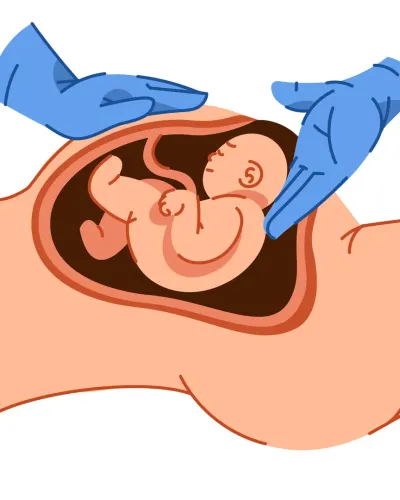
A pregnancy is classified as high risk when medical conditions, pregnancy-related complications, or fetal concerns increase the likelihood of health risks for the mother or baby.
Some common factors include:
- Pregnancy after the age of 35
- High blood pressure
- Gestational diabetes
- Twin or multiple pregnancy
- Previous preterm delivery
- Recurrent pregnancy loss
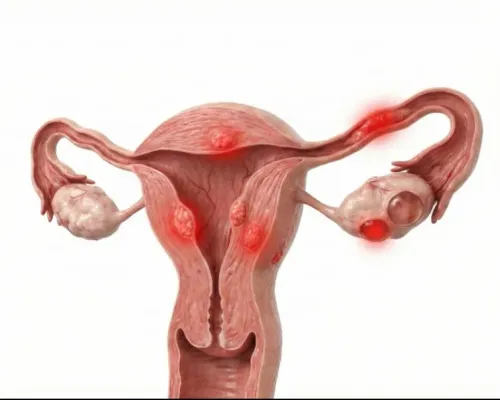
- Placenta-related complications
- Thyroid disorders
- Obesity
- Kidney or heart disease
- Fetal growth concerns
Being diagnosed with a high-risk pregnancy does not mean complications are inevitable. It means closer observation allows doctors to identify and manage concerns at the earliest possible stage.
Why Frequent Monitoring Is Important
Women with high-risk pregnancies usually require more frequent antenatal visits than those with uncomplicated pregnancies.
Regular monitoring may include:
- Detailed ultrasound examinations
- Fetal growth assessments
- Doppler studies when indicated
- Blood pressure monitoring
- Blood sugar evaluation
- Laboratory investigations
- Fetal heart rate monitoring
These assessments help doctors evaluate both maternal and fetal well-being throughout pregnancy and make timely decisions if intervention becomes necessary.
The Importance of a NICU
A Neonatal Intensive Care Unit (NICU) is designed to care for newborns who require specialized medical attention immediately after birth.
Babies who may benefit from NICU care include:
- Premature infants
- Low birth weight babies
- Babies with breathing difficulties
- Newborns requiring infection management
- Infants with congenital medical conditions
- Babies experiencing complications during delivery
Having NICU facilities within the same hospital allows newborns to receive immediate specialized care without the need for transfer to another medical centre.
Warning Signs That Should Never Be Ignored
Expectant mothers should seek immediate medical attention if they notice:
- Vaginal bleeding
- Persistent severe abdominal pain
- Reduced fetal movements
- Severe swelling of the face or hands
- Blurred vision
- Severe headaches
- High fever
- Leakage of amniotic fluid
- Regular contractions before 37 weeks
Prompt medical evaluation often helps prevent serious complications and supports better pregnancy outcomes.
How High-Risk Pregnancies Are Managed
Management depends on the specific condition affecting the pregnancy.
Treatment may involve:
- More frequent antenatal appointments
- Medication when required
- Lifestyle and dietary modifications
- Fetal monitoring
- Specialist consultations
- Planned timing and mode of delivery
Every pregnancy is different, and care plans are tailored according to the mother's health, baby's development, and gestational age.
Preparing for Delivery
Women with high-risk pregnancies are often advised to prepare well in advance for childbirth.
Helpful steps include:
- Keeping all medical records organized
- Attending every scheduled appointment
- Understanding emergency warning signs
- Discussing delivery options with the obstetrician
- Packing a hospital bag early
- Arranging family support for delivery and recovery
Being prepared helps reduce stress during the final weeks of pregnancy.
Choosing the Right High-Risk Pregnancy Hospital
When selecting a hospital, parents should consider more than convenience alone.
Look for:
- Experienced obstetricians and gynaecologists
- Availability of 24-hour emergency maternity care
- Advanced fetal monitoring facilities
- Access to NICU services
- Anaesthesia and surgical support
- Comprehensive newborn care
- Multidisciplinary medical specialists
These facilities ensure both mother and baby receive coordinated care throughout pregnancy and delivery.
Families looking for a High-Risk Pregnancy Hospital with NICU in Airoli, Navi Mumbai, often prefer a centre that provides advanced maternity care alongside neonatal support under one roof. Parulekar Hospital offers comprehensive pregnancy management with experienced obstetric specialists, modern diagnostic facilities, and NICU support for newborns requiring specialized care. Additional information about maternity and pregnancy services can be found on parulekarhospitalairoli.com.
A high-risk pregnancy requires careful monitoring, timely medical decisions, and access to specialized facilities. Choosing a hospital with experienced specialists and integrated NICU services helps provide expectant parents with confidence and comprehensive care throughout every stage of pregnancy and childbirth.
Keywords