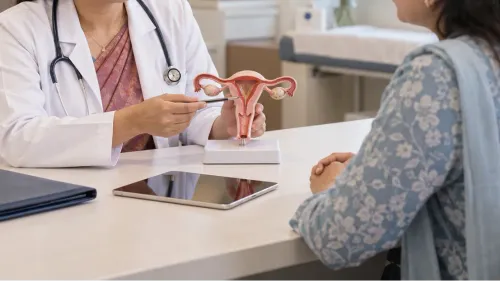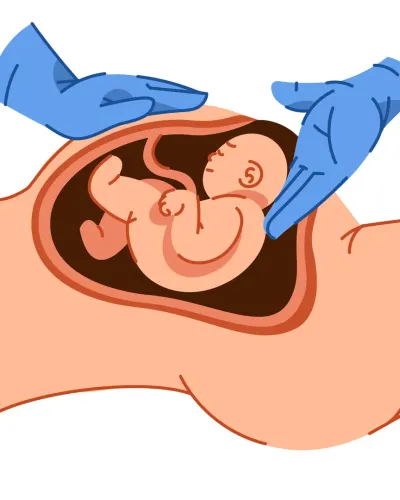

Being told that a pregnancy is “high risk” can create understandable concern. The term does not mean that complications will definitely occur. It means certain maternal, fetal or pregnancy-related factors may require closer observation than in a routine pregnancy.
Consulting a high-risk pregnancy specialist can help expecting mothers understand which additional tests, monitoring or precautions may be appropriate.
For women in Airoli, Navi Mumbai, Maharashtra, identifying risk factors early can support better planning throughout pregnancy.
What Makes a Pregnancy High Risk?
Pregnancy risk can be influenced by a health condition that existed before conception or by a condition that develops during pregnancy.
Common factors can include:
- High blood pressure
- Diabetes
- Gestational diabetes
- Thyroid disorders
- Multiple pregnancy
- Previous pregnancy complications
- Placental abnormalities
- Fetal growth concerns
- Certain maternal infections
- Previous preterm birth
- Advanced maternal age
- Significant anemia or other medical conditions
Having one of these factors does not automatically predict a poor outcome. It indicates that additional medical attention may be useful.
How Is Monitoring Different?
Routine antenatal care already involves scheduled examinations, blood tests, ultrasound scans and assessment of maternal and fetal health.
High-risk pregnancy care may involve more frequent appointments or additional investigations according to the identified concern.
For example, a woman with gestational diabetes may require closer glucose monitoring and assessment of fetal growth. A patient with hypertension may need regular blood pressure assessment and monitoring for pregnancy-related complications.
There is no universal schedule that applies to every high-risk pregnancy.
Why Previous Pregnancy History Matters
A previous pregnancy provides valuable information.
Women should tell their obstetrician about previous:
- Miscarriages
- Preterm deliveries
- Caesarean sections
- High blood pressure during pregnancy
- Gestational diabetes
- Placental complications
- Significant bleeding
- Difficult deliveries
Previous complications do not necessarily repeat, but they can influence how the current pregnancy is monitored.
Warning Symptoms Should Not Be Ignored
During pregnancy, certain symptoms require timely medical assessment.
These may include significant vaginal bleeding, severe abdominal pain, severe headache with visual changes, sudden swelling, fluid leakage or noticeably reduced fetal movement once regular movements have been established.
The appropriate response depends on gestational age and clinical circumstances, so unusual or significant symptoms should be medically assessed rather than self-interpreted.
Planning Delivery
A high-risk pregnancy does not automatically require a Caesarean section.
The mode and timing of delivery depend on maternal health, fetal wellbeing, gestational age, fetal position, placental factors, previous obstetric history and how labour progresses.
Some women with high-risk pregnancies can still have vaginal births when clinical circumstances are suitable.
Parulekar Hospital in Airoli, Navi Mumbai provides maternity and women’s healthcare for expecting mothers requiring routine or closer pregnancy monitoring.
The purpose of high-risk pregnancy care is careful observation, early recognition of potential problems and appropriate planning not creating unnecessary fear around pregnancy.
Keywords