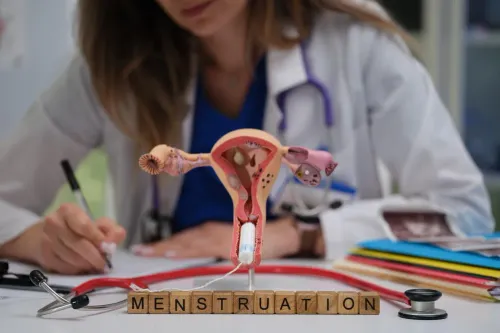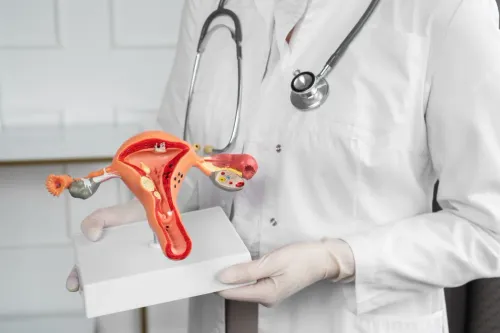

For many couples, starting a family happens naturally. For others, the journey may involve unexpected challenges that require medical guidance and advanced fertility care. An experienced IVF Centre can help identify the underlying causes of infertility and provide evidence-based treatments that improve the chances of conception.
Infertility is more common than many people realize. Medical experts generally recommend seeking fertility evaluation if a couple has been trying to conceive for one year without success, or after six months if the woman is over the age of 35. Early assessment often leads to better treatment planning and can reduce unnecessary delays.
Couples in Airoli, Navi Mumbai, and nearby areas have access to modern fertility services that combine advanced reproductive technology with individualized care, making it possible for many families to achieve their dream of parenthood.
Understanding IVF Treatment
In Vitro Fertilization (IVF) is an assisted reproductive technique in which eggs are retrieved from the ovaries and fertilized with sperm in a specialized laboratory. The resulting embryo is carefully monitored before being transferred into the uterus to support pregnancy.
IVF may be recommended for various fertility concerns, including:
- Blocked or damaged fallopian tubes
- Severe male infertility
- Ovulation disorders
- Endometriosis
- Unexplained infertility
- Age-related decline in fertility
- Multiple unsuccessful fertility treatments
Each treatment plan is personalized after a detailed evaluation of both partners.
Why Fertility Evaluation Matters Before IVF
A successful IVF journey begins with accurate diagnosis rather than immediately proceeding to treatment. Fertility specialists typically perform several investigations to understand the specific reasons behind conception difficulties.
These assessments may include:
- Hormonal blood tests
- Ultrasound scans
- Ovarian reserve testing
- Semen analysis
- Tubal patency evaluation
- Medical and reproductive history review
The findings help determine whether IVF is the most suitable option or whether simpler fertility treatments may be effective first.
What Happens During the IVF Process?
Although every patient's treatment is unique, IVF generally follows several well-defined stages.
Ovarian Stimulation
Special medications stimulate the ovaries to produce multiple mature eggs rather than the single egg released during a normal menstrual cycle.
Egg Retrieval
Once the follicles reach the desired size, eggs are collected using a minimally invasive procedure performed under sedation.
Fertilization
The collected eggs are fertilized with sperm under carefully controlled laboratory conditions. In certain situations, Intracytoplasmic Sperm Injection (ICSI) may be recommended to improve fertilization.
Embryo Development
Embryologists monitor embryo growth for several days and identify embryos with the best developmental potential.
Embryo Transfer
One or more healthy embryos are transferred into the uterus through a simple procedure that usually does not require surgery.
Pregnancy Testing
A blood test performed after the recommended waiting period confirms whether implantation has occurred successfully.
Factors That Influence IVF Success
Many people assume IVF guarantees pregnancy, but success depends on several medical and biological factors.
Some of the most important include:
- Woman's age
- Egg quality
- Sperm quality
- Embryo development
- Uterine health
- Lifestyle habits
- Underlying medical conditions
Because every couple's fertility profile is different, treatment recommendations should always be individualized rather than based on general expectations.
Preparing Yourself Before IVF
Healthy lifestyle choices can support fertility treatment and overall reproductive health.
Simple preparations include:
- Maintaining a healthy body weight
- Following a balanced diet
- Avoiding smoking and excessive alcohol
- Managing stress effectively
- Sleeping adequately
- Taking prescribed supplements
- Following medication schedules carefully
These steps cannot replace medical treatment but may contribute positively to the overall IVF process.
Common Questions Couples Ask
Is IVF painful?
Most procedures involved in IVF cause minimal discomfort. Egg retrieval is generally performed under anesthesia or sedation, while embryo transfer is usually quick and well tolerated.
How many IVF cycles are needed?
Some couples achieve pregnancy during their first cycle, while others may require additional attempts depending on individual fertility factors.
Can IVF help with male infertility?
Yes. IVF, often combined with ICSI, has helped many couples overcome moderate to severe male fertility issues.
Is age an important factor?
Yes. Female fertility naturally declines with age, making early fertility assessment beneficial for couples planning treatment.
Choosing the Right IVF Centre
Selecting an IVF provider involves more than comparing treatment costs. Couples should consider the experience of fertility specialists, laboratory standards, personalized treatment planning, transparency, patient support, and access to advanced reproductive technology.
Many families seeking fertility care in Airoli, Navi Mumbai, look for centres that offer comprehensive fertility evaluation alongside assisted reproductive treatments under one roof. Parulekar Hospital is among the healthcare providers offering fertility services supported by experienced specialists, modern diagnostic facilities, and patient-focused care. Additional information about available fertility treatments and consultation services can be found on parulekarhospitalairoli.com.
Taking the first step toward fertility evaluation can provide clarity, answer important questions, and help couples make informed decisions about their path to parenthood. Early medical guidance often opens the door to treatment options that are tailored to individual needs and long-term family goals.
Keywords