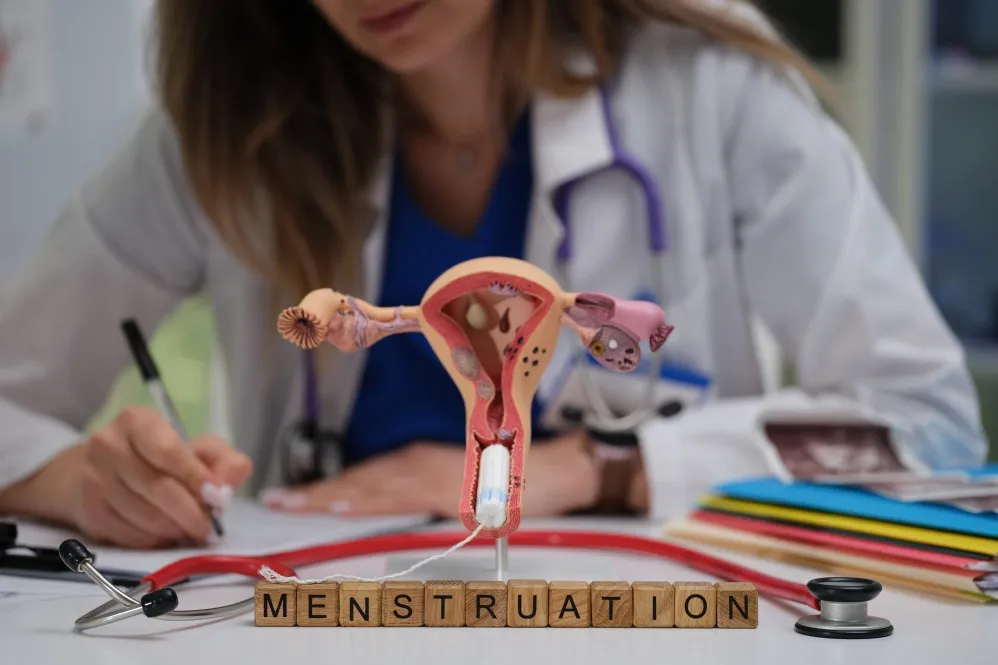
Periods can vary naturally, but persistent changes in bleeding, cycle timing or pain should not automatically be dismissed as normal. Menstrual changes can sometimes be associated with hormonal disturbances, uterine conditions or other health concerns.
Women seeking menstrual disorder treatment in Airoli, Navi Mumbai, Maharashtra, can make better decisions by recognizing which changes deserve medical evaluation.
What Counts as a Menstrual Disorder?
Menstrual disorders include more than simply “irregular periods.”
Women may experience:
- Very heavy menstrual bleeding
- Periods lasting unusually long
- Bleeding between periods
- Very infrequent periods
- Absence of periods
- Frequent menstrual cycles
- Significant period pain
- Bleeding after intercourse
- Changes in a previously predictable cycle
The clinical importance depends on age, severity, duration and associated symptoms.
Why Can Periods Change?
Many conditions can affect menstruation.
Hormonal causes may include PCOS, thyroid disorders or changes associated with different reproductive stages.
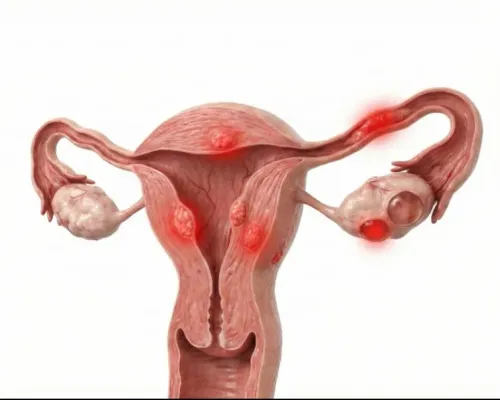
Structural gynecological conditions can include uterine fibroids, adenomyosis, endometrial polyps and other abnormalities.
Pregnancy-related causes also need consideration in women of reproductive age when a period is unexpectedly delayed or abnormal bleeding occurs.
Certain medicines and medical conditions can influence menstrual patterns as well.
When Should Heavy Bleeding Be Assessed?
Heavy periods deserve attention when they repeatedly interfere with normal activities or appear to be causing symptoms of anemia.
Possible signs associated with significant blood loss can include fatigue, weakness, dizziness or breathlessness.
Rather than relying solely on the number of sanitary products used, doctors consider the complete bleeding pattern and its effect on health and daily life.
What Tests Might Be Needed?
Menstrual disorder treatment begins with diagnosis.
Evaluation can include:
- Detailed menstrual history
- Pregnancy testing when relevant
- Blood tests
- Assessment for anemia
- Thyroid or hormonal investigations when indicated
- Pelvic ultrasound
- Additional investigations based on age and symptoms
Not every patient requires every test.
Treatment Depends on the Cause
A hormonal menstrual problem may be managed differently from bleeding caused by fibroids or adenomyosis.
Treatment can involve observation, medicines, hormonal therapy or procedures depending on the diagnosis, severity of symptoms and reproductive plans.
For this reason, repeatedly treating heavy bleeding without identifying its cause may provide only temporary symptom control.
Keep a Period Record
Tracking menstrual cycles before a consultation can provide useful clinical information.
Record:
- First day of each period
- Number of bleeding days
- Unusually heavy days
- Bleeding between periods
- Severity of pain
- Associated symptoms
Digital period trackers can help, but simple calendar notes are also sufficient.
Parulekar Hospital in Airoli, Navi Mumbai provides gynecological assessment for menstrual concerns and conditions affecting women at different reproductive stages.
A menstrual change does not always indicate a serious problem, but persistent, unusually heavy or painful periods deserve proper evaluation. Identifying the reason behind the change is the foundation of appropriate treatment.
Keywords