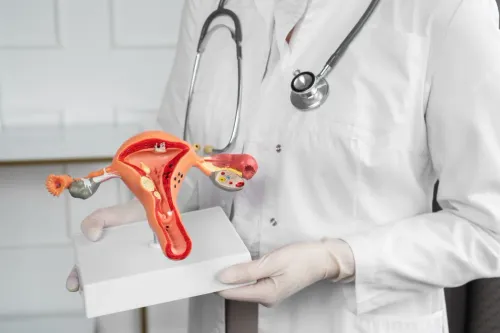

When natural conception takes longer than expected, many couples begin exploring advanced fertility treatments. One of the most commonly searched options is treatment at a Test Tube Baby Centre. While the term test tube baby is widely used, it generally refers to babies conceived through In Vitro Fertilization (IVF), a well-established fertility treatment that has helped millions of families worldwide.
Choosing to undergo fertility treatment is a significant decision. Understanding how the process works, who may benefit from it, and what to expect can help couples approach treatment with realistic expectations and greater confidence.
For couples in Airoli, Navi Mumbai, access to specialized fertility services means expert guidance is available closer to home without the need to travel long distances for quality reproductive care.
What Does a Test Tube Baby Treatment Involve?
A test tube baby treatment involves fertilizing an egg with sperm in a controlled laboratory environment. After fertilization, the healthiest embryo is transferred into the uterus with the goal of achieving pregnancy.
Although the phrase test tube baby sounds highly technical, the treatment follows a carefully planned sequence of medical steps performed by fertility specialists, embryologists, and experienced healthcare professionals.
The process is customized based on factors such as:
- The woman's age
- Ovarian reserve
- Male fertility factors
- Previous pregnancy history
- Existing medical conditions
- Duration of infertility
No two treatment plans are exactly alike, which is why a detailed fertility evaluation is essential before beginning the procedure.
Who May Benefit from IVF Treatment?
A fertility specialist may recommend IVF for several medical conditions that affect natural conception.
Common reasons include:
- Blocked fallopian tubes
- Severe male infertility
- Endometriosis
- Polycystic Ovary Syndrome (PCOS)
- Reduced ovarian reserve
- Unexplained infertility
- Repeated failure with other fertility treatments
Couples who have experienced recurrent miscarriages may also require specialized fertility investigations before proceeding with IVF.
Common Misconceptions About Test Tube Baby Treatment
Many couples delay seeking treatment because of misunderstandings about IVF. Separating myths from facts helps patients make informed decisions.
Myth: IVF is only for women.
Fact: Fertility challenges can affect both men and women. A complete evaluation usually includes testing for both partners.
Myth: Every IVF cycle results in pregnancy.
Fact: Success depends on several medical factors, including age, embryo quality, and overall reproductive health. A fertility specialist explains expected outcomes based on each couple's situation.
Myth: IVF always leads to multiple pregnancies.
Fact: Modern fertility practices often recommend transferring a single healthy embryo when appropriate, reducing the chances of multiple pregnancies while maintaining good success rates.
Myth: Fertility treatment is only for older couples.
Fact: Younger couples experiencing infertility may also benefit from IVF after proper medical evaluation.
How to Prepare Before Starting Treatment
Preparing physically and emotionally can make the fertility journey smoother.
Helpful steps include:
- Scheduling a complete fertility assessment
- Discussing medical history openly
- Following prescribed medications carefully
- Maintaining a healthy weight
- Eating a nutritious diet
- Limiting alcohol consumption
- Avoiding tobacco products
- Managing stress through healthy coping strategies
Partners are encouraged to participate actively throughout the treatment process, as emotional support plays an important role during fertility care.
Questions to Ask During Your Consultation
Meeting a fertility specialist is an opportunity to understand your treatment options clearly.
Some useful questions include:
- What is causing our fertility problem?
- Is IVF the best option for us?
- Are additional tests required?
- How many visits will treatment involve?
- What lifestyle changes can improve fertility?
- What are the possible risks and complications?
- How will treatment progress be monitored?
Clear communication helps couples feel more informed and prepared before making important decisions.
Why Individualized Fertility Care Matters
Successful fertility treatment is not only about advanced laboratory technology. Personalized medical planning allows specialists to adjust medications, monitor progress closely, and respond to each patient's individual needs.
A tailored approach may improve treatment efficiency while ensuring that patients receive appropriate support throughout every stage of the process.
Couples should also choose a centre that provides comprehensive reproductive services, experienced specialists, modern laboratory standards, and transparent communication rather than focusing solely on treatment costs.
Choosing the Right Test Tube Baby Centre
Selecting a fertility centre involves evaluating medical expertise, diagnostic capabilities, laboratory quality, patient care, and the availability of comprehensive women's health services.
Many couples searching for fertility treatment in Airoli, Navi Mumbai, prefer centres that combine fertility care with maternity and gynecological services under one roof. Parulekar Hospital offers fertility evaluation and assisted reproductive services supported by experienced specialists and modern infrastructure. Those looking to understand available treatments in greater detail can explore additional information through parulekarhospitalairoli.com before scheduling a consultation.
Beginning fertility treatment can feel overwhelming, but timely medical guidance, accurate diagnosis, and personalized care often make the journey more manageable. Understanding your options early allows you to make informed decisions and move forward with greater confidence toward achieving your family-building goals.
Keywords