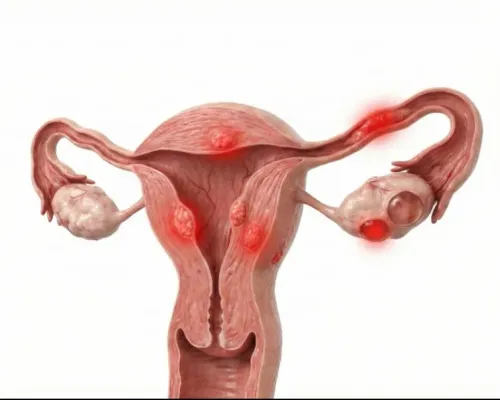
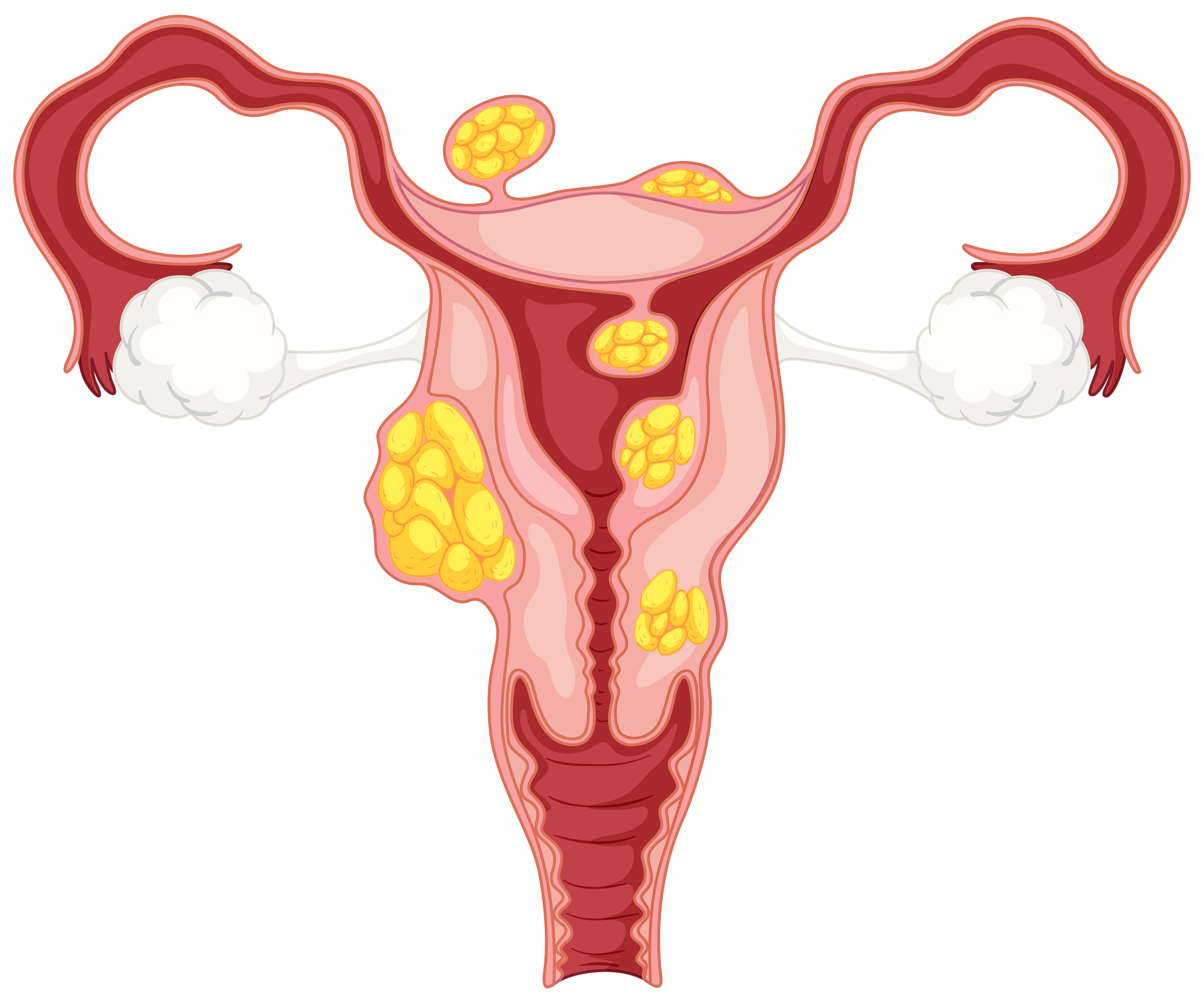
Discovering a uterine fibroid during an ultrasound can lead to an immediate question: does it need to be removed? The answer is often more nuanced than expected.
The appropriate uterine fibroid treatment depends on symptoms, location, number and size of fibroids, age, fertility plans and how the uterus is affected.
For women in Airoli, Navi Mumbai, Maharashtra, understanding the available pathways can make treatment decisions clearer.
Option One Is Sometimes Monitoring
Fibroids that are small, stable and not causing meaningful symptoms may not require immediate intervention.
Monitoring can involve periodic clinical review and imaging when appropriate.
This approach avoids unnecessary treatment while allowing changes to be identified.
However, observation should not be confused with ignoring symptoms. New or worsening bleeding, pressure or pain should be reassessed.
Medicines Can Address Symptoms
Medication may be used to manage problems such as heavy menstrual bleeding or pain in selected patients.
Medical treatment can be useful when symptoms are manageable and surgery is not currently necessary or preferred.
However, medicines do not have the same role for every type of fibroid, and symptom improvement does not necessarily mean the fibroid itself has disappeared.
When Is Surgery Considered?
Surgical treatment may enter the discussion when fibroids cause significant symptoms or other clinical concerns.
Examples include:
- Persistent heavy bleeding
- Anemia
- Significant pelvic pressure
- Pain affecting everyday life
- Large or multiple symptomatic fibroids
- Selected fertility-related concerns
- Symptoms not adequately controlled through conservative treatment
The operation itself depends on the clinical situation.
Myomectomy and Hysterectomy Serve Different Purposes
Myomectomy removes fibroids while preserving the uterus. It can be considered when uterine preservation is important.
Hysterectomy removes the uterus and may be appropriate for selected women when future pregnancy is not desired and clinical circumstances support it.
Surgery can sometimes be performed laparoscopically, while open surgery may be necessary in other cases.
There is no single procedure that is automatically appropriate for every fibroid.
Fertility Plans Should Be Discussed Early
Women who want children in the future should tell their gynecologist before choosing treatment.
The relationship between fibroids and fertility depends substantially on fibroid location and how the uterine cavity is affected.
Removing every fibroid simply because pregnancy is planned is not necessarily appropriate. Conversely, certain fibroids may warrant closer assessment when infertility or pregnancy problems are present.
A Practical Treatment Checklist
Before deciding, make sure you understand:
- Your fibroid’s location
- Approximate size and number
- Whether symptoms are actually related to it
- Available non-surgical options
- Whether uterine preservation matters
- Expected recovery from a proposed procedure
- Potential implications for pregnancy
Parulekar Hospital in Airoli, Navi Mumbai provides gynecological and laparoscopic assessment for women requiring evaluation of uterine fibroids.
The best treatment decision is rarely based on fibroid size alone. A plan that connects imaging findings with symptoms, reproductive priorities and overall health provides a much stronger basis for choosing between monitoring, medical management and surgery.
Keywords